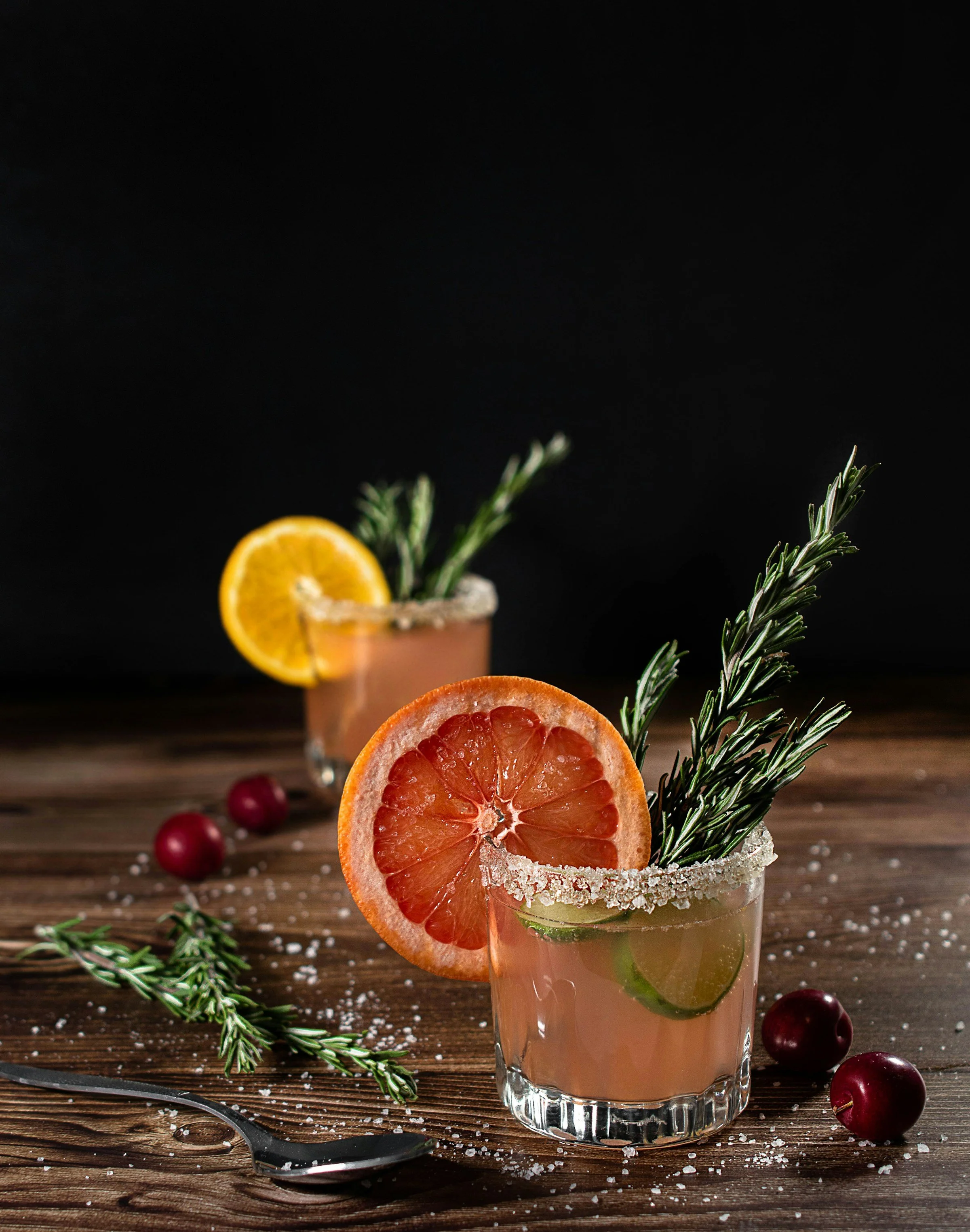
Citrus Expressions
Citrus is one of the most powerful tools in modern drink design. More than just a garnish, it acts as a bridge between aroma, flavor, and visual storytelling. Whether you’re building a bold cocktail or a refined mocktail, citrus expressions bring clarity, brightness, and instant sensory appeal to the glass.
What are Citrus Expressions?
Citrus expressions refer to all the ways citrus fruits are used in drink presentation and finishing—from twists and wheels to zest and dehydrated slices. Each variation impacts not only the look of the drink but also its aroma profile and perceived freshness.
They are considered the foundation layer of garnish design, often used before herbs, fruits, or decorative elements are added.
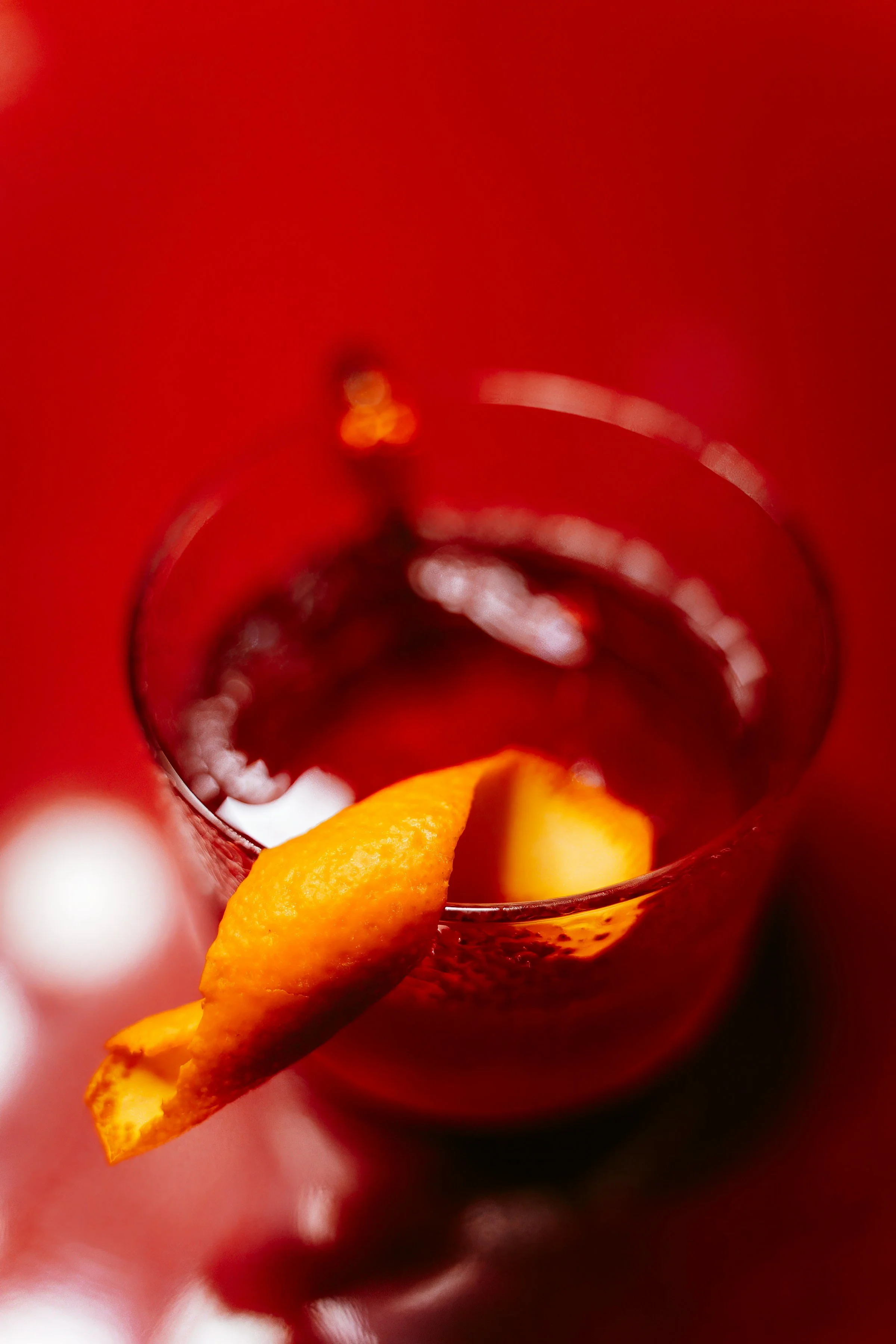
Orange Twist (Classic, Wide Peel, Spiral)
The orange twist is one of the most iconic cocktail garnishes. It is created by peeling a strip of orange skin and expressing its natural oils over the drink’s surface.
Why it works:
Releases essential citrus oils directly into the drink
Adds instant aromatic lift
Creates a refined, minimal aesthetic
Variations:
Classic twist: short peel, simple finish
Wide peel: bold visual impact, often draped on the rim
Spiral twist: decorative, elegant presentation
Best used in spirit-forward drinks where aroma is essential.
How to use in mocktails:
Orange twists work beautifully with non-alcoholic spirits, sparkling mocktails, and drinks featuring botanical or herbal flavors.
Express the peel over the glass before placing it on the rim or inside the drink to release its aromatic oils.
They pair especially well with:
Alcohol-free bitters
Botanical gin alternatives
Citrus-forward sparkling mocktails
Cranberry and orange mocktails
Lemon & Lime Wheels
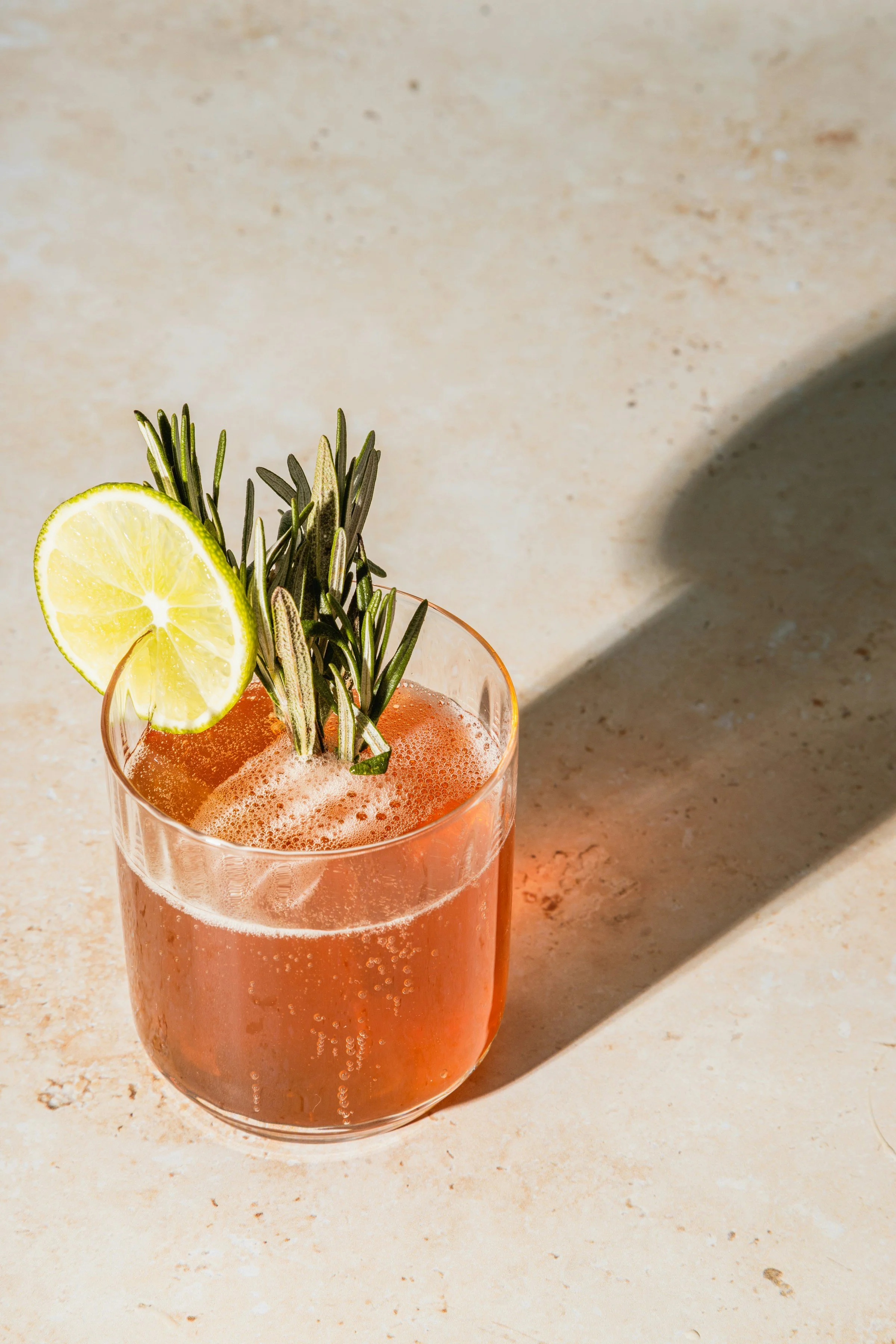
Citrus wheels are sliced rounds of lemon or lime that float or sit on the rim of a glass. They are among the most versatile garnishes in both cocktails and mocktails.
Why it works:
Provide instant visual freshness
Subtly infuse the drink over time
Easy to scale for batch drinks or events
Best Uses:
Highballs
Spritz-style drinks
Refreshing mocktails with soda or tonic bases
A lemon wheel signals brightness, while lime leans sharper and more tropical.
How to use in mocktails:
Lemon and lime wheels are ideal for refreshing alcohol-free drinks made with soda water, tonic, ginger beer, kombucha, or fresh juices.
They also help visually communicate the drink's citrus profile before the first sip.
They're perfect for:
Virgin Mojitos
Citrus spritz mocktails
Sparkling lemonade
Tropical mocktails
Kombucha-based drinks
Citrus Zest (Grated or Expressed Oils)
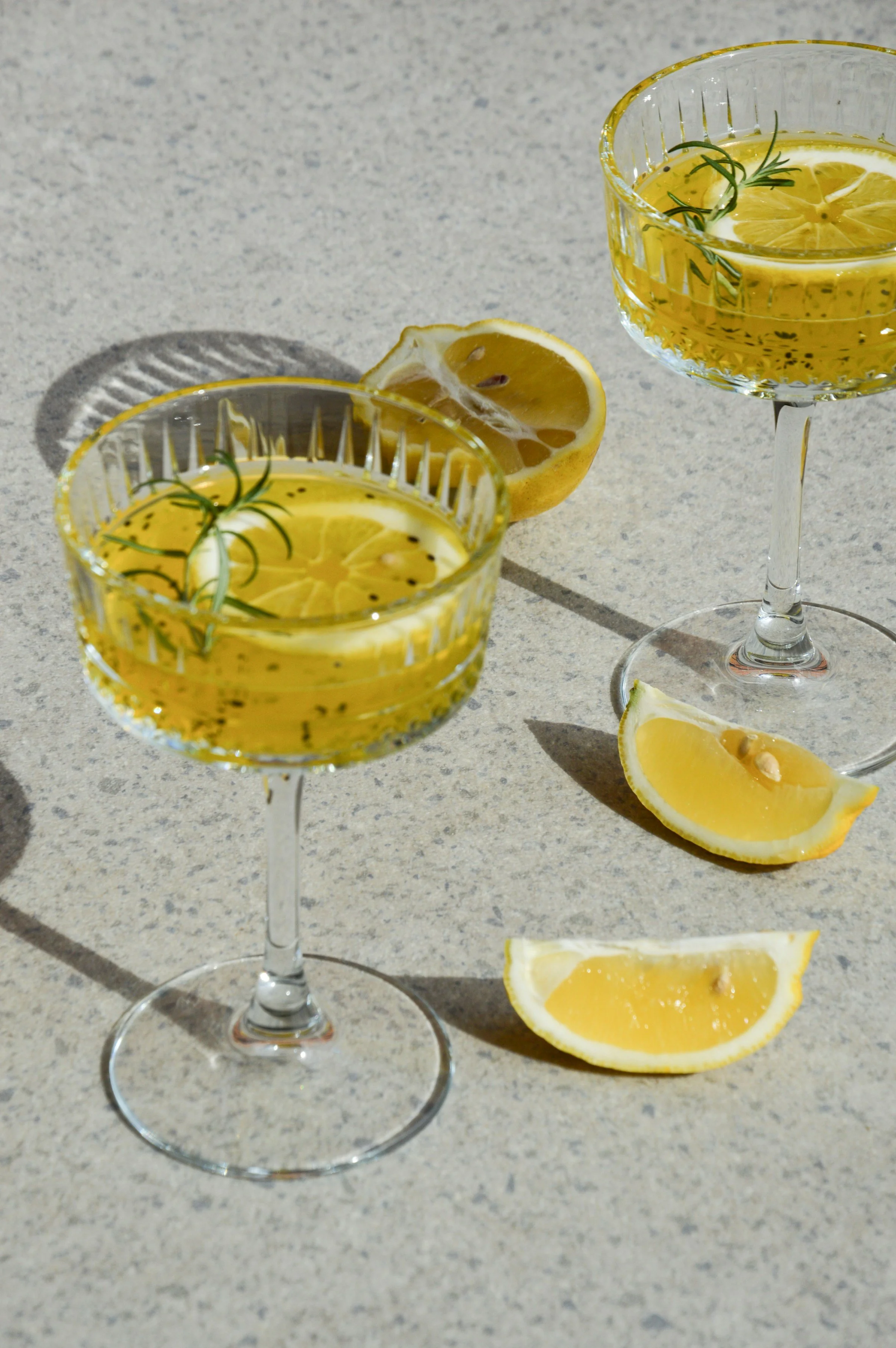
Fresh citrus zest provides one of the most intense aromatic finishes without affecting the drink's balance.
Why it works:
Adds concentrated citrus aroma
Creates an elegant finishing touch
Delivers flavor without additional acidity
Best Uses:
Martinis
Sours
Champagne cocktails
Elegant dessert cocktails
Premium mocktails
How to use in mocktails:
Fresh zest works particularly well in mocktails where aroma needs to compensate for the absence of alcohol. A light dusting of lemon, lime, orange, or grapefruit zest enhances botanical ingredients and fresh herbs without making the drink more acidic.
Try pairing zest with:
Mint
Basil
Rosemary
Lavender
Cucumber
Green tea mocktails
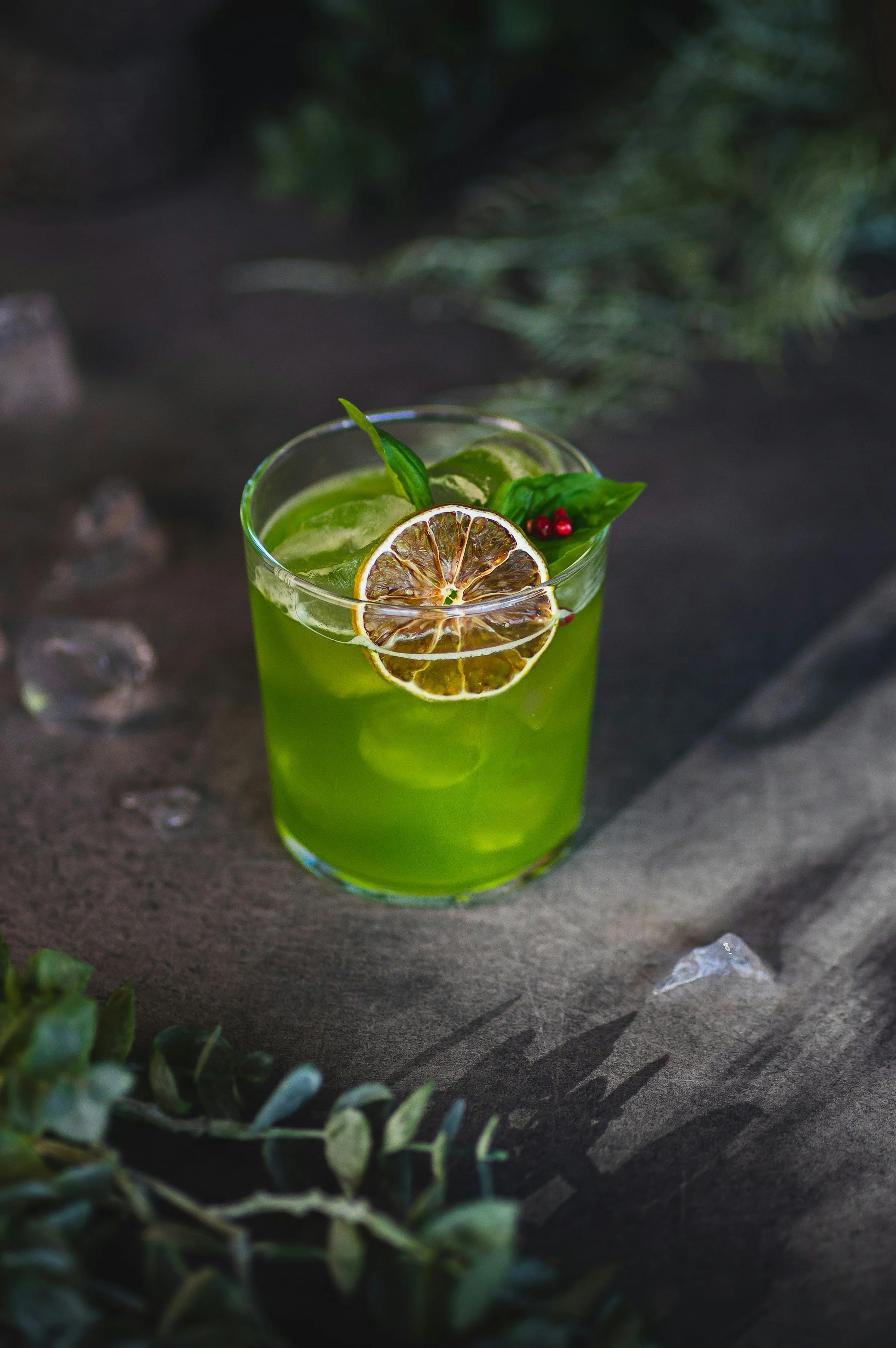
Dehydrated Citrus Slices
Dehydrated citrus slices have become a signature garnish in modern bars thanks to their elegant appearance and long shelf life.
Why it works:
Create a premium, handcrafted look
Don't water down the drink
Store well for weeks or months
Best Uses:
Old Fashioned
Whiskey cocktails
Negronis
Seasonal cocktails
Signature house drinks
How to use in mocktails:
Dehydrated citrus slices instantly elevate alcohol-free drinks, making them feel just as sophisticated as traditional cocktails. Their rich amber tones photograph beautifully and work especially well for entertaining, holiday drinks, and premium mocktail menus.
Excellent with:
Zero-proof spirits
Botanical tonics
Sparkling water mocktails
Apple-based drinks
Winter and holiday mocktails
Why Citrus Matters in Mocktails
While citrus has always been a staple of classic cocktails, it plays an even more important role in mocktails. Without alcohol carrying aromas to the nose, garnishes become one of the primary ways to create a rich sensory experience.
Fresh citrus expressions:
Enhance aroma before the first sip.
Increase the perception of freshness and complexity.
Complement botanical, tea-based, and fruit-forward ingredients.
Give alcohol-free drinks the same premium appearance as craft cocktails.
A simple orange twist or dehydrated lemon slice can transform an everyday mocktail into a drink that feels intentional, elegant, and bar-worthy.